Generic medicines play a vital role in modern healthcare systems around the world. They provide millions of patients with access to affordable treatment options while helping reduce healthcare costs for individuals, insurance providers, and governments. Whether treating chronic conditions such as diabetes and high blood pressure or managing short-term illnesses and infections, generic medications have become an essential part of everyday healthcare.
Despite their widespread use, many people still have questions about generic medicine safety. Some patients wonder whether generic drugs are as effective as brand-name medications. Others question whether lower prices indicate lower quality or whether generic medications undergo the same safety testing and regulatory review as their brand-name counterparts. These concerns are understandable, particularly when medications are used to manage serious health conditions.
The reality is that generic medicines are subject to strict regulatory requirements in most countries. Before a generic drug can be approved for public use, manufacturers must demonstrate that the medication meets established standards for quality, safety, strength, dosage form, and effectiveness. Regulatory agencies carefully evaluate generic products to ensure they perform similarly to the original brand-name drug.
Generic medicines are designed to contain the same active ingredients as brand-name medications and deliver the same therapeutic benefits. While certain inactive ingredients such as coloring agents, fillers, or flavorings may differ, the active component responsible for treating the condition remains the same. This is why healthcare professionals and pharmacists often recommend generic alternatives as safe and effective treatment options.
Understanding generic medicine safety is important because misconceptions can sometimes prevent patients from taking advantage of affordable healthcare solutions. By learning how generic drugs are developed, approved, regulated, and monitored, individuals can make informed decisions about their treatment options and gain confidence in the medications they use.
What Are Generic Medicines?
Generic medicines are medications that contain the same active ingredients as brand-name drugs.
They are developed after the patent protection of the original medication expires.
Generic medicines are intended to provide the same therapeutic effect as the original product.
They typically match the brand-name medication in terms of:
- Active ingredient
- Strength
- Dosage form
- Route of administration
- Intended use
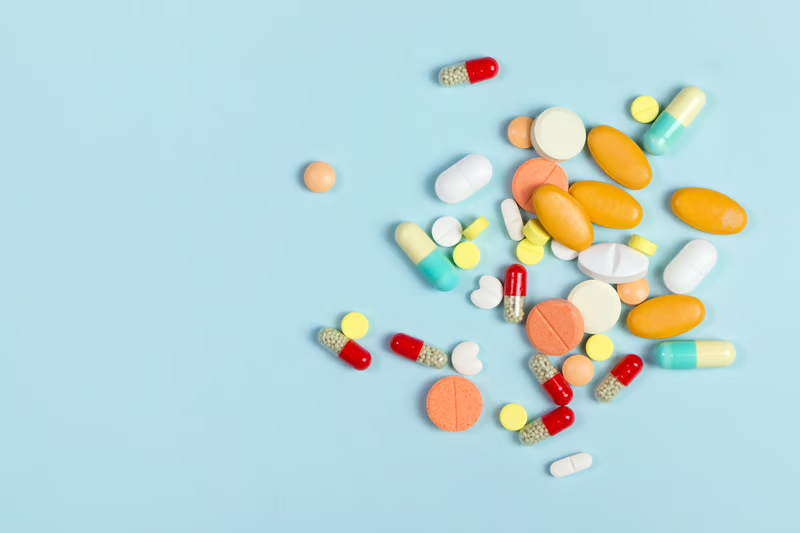
Although they may differ in appearance, they are designed to work in the same way.
Why Generic Medicines Are Important
Generic drugs play a significant role in healthcare accessibility.
They help:
- Reduce treatment costs
- Improve medication access
- Increase healthcare affordability
- Support long-term disease management
- Expand treatment options
Many healthcare systems rely heavily on generic medicines to control healthcare spending while maintaining quality care.
The Difference Between Generic and Brand-Name Medicines
Understanding the relationship between generic and brand-name drugs helps clarify safety concerns.
Brand-Name Medicines
Brand-name drugs are developed by pharmaceutical companies that conduct the original research and clinical trials.
Patent Protection
These companies receive patent protection for a specific period, allowing exclusive marketing rights.
This helps recover research and development costs.
Generic Medicines
Once patents expire, other manufacturers may produce generic versions.
Same Active Ingredient
The generic product must contain the same active ingredient as the original medication.
This ensures comparable therapeutic effects.
How Generic Medicines Are Approved
Generic medications must undergo regulatory review before entering the market.
Regulatory Requirements
Manufacturers must demonstrate that the generic drug meets established quality standards.
Key Areas Evaluated
Regulatory agencies review:
- Drug composition
- Manufacturing processes
- Product quality
- Safety information
- Bioequivalence data
Approval is not automatic.
Bioequivalence Testing
Bioequivalence is one of the most important requirements for generic approval.
What Bioequivalence Means
Bioequivalence demonstrates that the generic medicine delivers the active ingredient into the bloodstream at a similar rate and extent as the brand-name product.
This helps ensure comparable effectiveness.
Are Generic Medicines Safe?
Yes, approved generic medicines are considered safe when used as directed.
Strict Quality Standards
Generic manufacturers must comply with rigorous quality requirements.
Manufacturing Oversight
Production facilities are regularly inspected to ensure compliance with safety standards.
Quality control remains a priority throughout manufacturing.
Ongoing Safety Monitoring
Medication safety monitoring continues after approval.
Post-Marketing Surveillance
Healthcare providers and patients can report adverse events.
This helps identify and address potential concerns.
How Generic Medicines Work
Generic medicines work because they contain the same active ingredient as the original drug.
Active Ingredients
The active ingredient is the component responsible for producing the therapeutic effect.
Equivalent Treatment
When approved correctly, generic drugs should provide the same medical benefit as their brand-name counterparts.
Inactive Ingredients
Generic medications may contain different inactive ingredients.
Examples
These may include:
- Coloring agents
- Fillers
- Preservatives
- Flavorings
Inactive ingredients generally do not affect effectiveness.
Common Misconceptions About Generic Medicines
Several myths continue to influence public perceptions.
Myth: Generic Drugs Are Less Effective
One of the most common misconceptions is that lower cost means lower quality.
Reality
Approved generic medicines must demonstrate comparable effectiveness.
They are intended to perform similarly to the brand-name medication.
Myth: Generic Medicines Are Less Safe
Some people assume that generic drugs undergo less testing.
Reality
Regulatory agencies require evidence that generic medications meet safety and quality standards.
Safety remains a key approval criterion.
Myth: Generic Medicines Are Made With Inferior Ingredients
The active ingredient must meet strict quality specifications.
Reality
Manufacturers are required to comply with established pharmaceutical standards.
Benefits of Generic Medicines
Generic medications offer several important advantages.
Lower Costs
One of the most significant benefits is affordability.
Reduced Healthcare Expenses
Generic competition often lowers prices significantly.
This benefits patients and healthcare systems alike.
Increased Access to Treatment
Lower costs can improve access to essential medications.
Supporting Long-Term Care
Patients managing chronic conditions may find treatment more affordable.
Improved access often supports better health outcomes.
Wider Availability
Generic options increase the number of available treatment choices.
This helps healthcare providers tailor treatment plans.
Factors That Influence Generic Drug Safety
Several factors contribute to medication safety.
Manufacturing Quality
High-quality manufacturing processes are essential.
Good Manufacturing Practices
Manufacturers must follow strict production standards.
These practices help ensure product consistency and reliability.
Storage and Distribution
Proper storage conditions help maintain medication effectiveness.
Environmental Considerations
Factors such as:
- Temperature
- Humidity
- Light exposure
can influence product stability.
Patient Compliance
Safe medication use depends on following instructions.
Importance of Proper Use
Patients should take medications exactly as directed by healthcare professionals.
Regulatory Agencies and Generic Medicine Safety
Regulatory agencies play a central role in medication oversight.
Reviewing Applications
Agencies evaluate data submitted by manufacturers.
Areas of Focus
These include:
- Safety
- Quality
- Effectiveness
- Manufacturing practices
Approval requires compliance with established standards.
Conducting Inspections
Manufacturing facilities may undergo inspections.
Purpose
Inspections help ensure ongoing compliance and quality assurance.
Monitoring Adverse Events
Regulatory agencies collect and analyze safety reports.
This supports continuous medication monitoring.
Generic Medicines and Chronic Disease Management
Generic medications are widely used for chronic conditions.
Cardiovascular Diseases
Many heart and blood pressure medications are available in generic forms.
Benefits
Affordable treatment supports long-term adherence.
Diabetes Management
Generic options help many patients manage diabetes effectively.
Improved Access
Lower costs may reduce barriers to treatment.
Mental Health Conditions
Generic medications are commonly used in mental health care.
They provide cost-effective treatment options for many patients.
The Role of Pharmacists
Pharmacists play an important role in medication safety.
Providing Information
Pharmacists educate patients about medications.
Topics Covered
These may include:
- Proper use
- Side effects
- Drug interactions
Education supports safe treatment.
Identifying Interactions
Pharmacists review medication profiles for potential issues.
Safety Monitoring
Their expertise helps reduce medication-related risks.
Generic Medicines and Patient Confidence
Trust is an important component of medication use.
Understanding the Evidence
Learning how generic drugs are approved can improve confidence.
Informed Decision-Making
Knowledge helps patients make informed treatment choices.
Communicating With Healthcare Providers
Patients should discuss concerns openly.
Asking Questions
Healthcare professionals can explain the benefits and safety of generic options.
Challenges Facing Generic Medicines
Despite their advantages, generic medicines face certain challenges.
Public Misconceptions
Misinformation can influence patient perceptions.
Education Needs
Improved public understanding supports informed healthcare decisions.
Supply Chain Issues
Medication shortages can occasionally affect availability.
Importance of Reliable Manufacturing
Strong supply chains help ensure consistent access.
Global Regulatory Differences
Requirements may vary between countries.
Harmonization Efforts
International cooperation supports consistent safety standards.
Future Trends in Generic Medicine Safety
The pharmaceutical industry continues evolving.
Advanced Manufacturing Technologies
New technologies may improve efficiency and quality control.
Benefits
These innovations can enhance consistency and reliability.
Improved Monitoring Systems
Digital tools are strengthening medication safety surveillance.
Data Analysis
Advanced systems help identify trends more quickly.
Greater Transparency
Regulatory agencies continue promoting public access to medication information.
This supports informed healthcare decisions.
Frequently Asked Questions
What is a generic medicine?
A generic medicine is a medication that contains the same active ingredient and provides the same therapeutic effect as a brand-name drug.
Are generic medicines safe?
Yes. Approved generic medicines must meet strict regulatory standards for safety, quality, and effectiveness.
Why are generic medicines cheaper?
Generic manufacturers do not bear the same research and development costs as the original developer, allowing lower pricing.
Do generic medicines work as well as brand-name drugs?
Approved generic medications are designed to provide comparable therapeutic effects.
Can generic medicines have different appearances?
Yes. Color, shape, and inactive ingredients may differ, but the active ingredient remains the same.
Conclusion
Generic medicines have become an essential component of modern healthcare by providing safe, effective, and affordable treatment options for millions of patients worldwide. Through strict regulatory oversight, quality control measures, bioequivalence testing, and ongoing safety monitoring, generic medications are held to high standards designed to protect public health and ensure therapeutic effectiveness.
Understanding how generic medicines are developed, approved, and monitored helps address common misconceptions and builds confidence in their use. For many patients, generic medications offer the opportunity to access necessary treatments at a lower cost without sacrificing safety or effectiveness. As healthcare systems continue focusing on affordability and accessibility, generic medicines will remain a critical tool in supporting better health outcomes and expanding access to quality medical care.