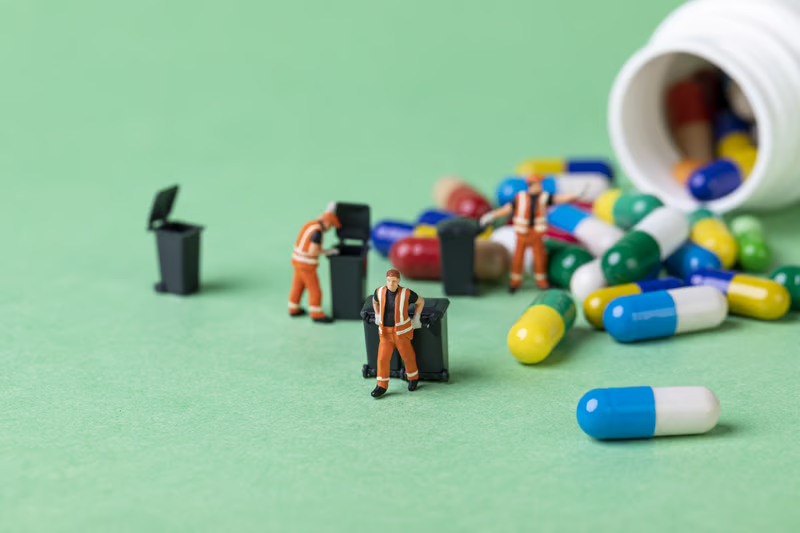
Medications play a crucial role in maintaining health, treating illnesses, managing chronic conditions, and improving quality of life. However, once medications are expired, unused, damaged, or no longer needed, they can become a potential source of risk if they are not disposed of properly. Many households store old medications in medicine cabinets, drawers, kitchen cupboards, or other locations without realizing that keeping unnecessary drugs can create safety, health, and environmental concerns.
Improper disposal of medications can lead to accidental poisoning, misuse, medication errors, environmental contamination, and even illegal drug diversion. Children, pets, older adults, and individuals who are unaware of a medication’s purpose may be particularly vulnerable to harm when unused drugs are left accessible. Additionally, certain medications can be abused if they fall into the wrong hands, making secure disposal an important public safety issue.
Environmental concerns also play a significant role in medication disposal practices. Flushing drugs down toilets or sinks may introduce pharmaceutical substances into water systems, potentially affecting aquatic ecosystems and water quality. Although wastewater treatment facilities remove many contaminants, some pharmaceutical compounds can persist in the environment and contribute to long-term ecological concerns.
To address these challenges, healthcare organizations, pharmacies, environmental agencies, and regulatory authorities have developed drug disposal guidelines designed to promote safe and responsible medication disposal. These guidelines help individuals understand how to handle expired or unused medications while minimizing risks to people, animals, and the environment.
Understanding proper drug disposal methods is an important part of responsible medication management. Whether dealing with prescription medications, over-the-counter drugs, controlled substances, or liquid medicines, following recommended disposal practices can help protect families, communities, and natural resources while supporting public health and safety.
What Are Drug Disposal Guidelines?
Drug disposal guidelines are recommendations and procedures designed to ensure medications are discarded safely and responsibly.
These guidelines help prevent:
- Accidental poisoning
- Medication misuse
- Drug diversion
- Environmental contamination
- Public health risks
Proper disposal practices support both personal and community safety.
Why Proper Medication Disposal Is Important
Many people underestimate the importance of disposing of medications correctly.
Unused or expired medications can pose several risks.
Household Safety Risks
Improperly stored medications may be accidentally consumed by:
- Children
- Pets
- Visitors
- Family members
Accidental ingestion can lead to serious health consequences.
Misuse and Abuse Risks
Certain medications may be attractive targets for misuse.
Keeping unused drugs increases the possibility of unauthorized access.
Environmental Protection
Improper disposal methods may introduce pharmaceutical substances into the environment.
Responsible disposal helps reduce ecological impact.
Common Reasons Medications Need Disposal
There are many situations where medications should be discarded.
Expired Medications
Medications eventually reach their expiration dates.
Reduced Effectiveness
Some drugs may lose potency over time.
Expired products should not be relied upon for treatment.
Unused Medications
Patients may stop taking medications for various reasons.
Examples
These may include:
- Treatment changes
- Recovery from illness
- Medication switches
- Unwanted side effects
Unused medications should not remain indefinitely in the home.
Damaged Medications
Products that have been exposed to moisture, heat, or contamination may require disposal.
Safety Concerns
Damaged medications may no longer be safe or effective.
Understanding Medication Expiration Dates
Expiration dates provide important guidance regarding medication use.
Purpose of Expiration Dates
Manufacturers establish expiration dates based on stability testing.
Quality Assurance
The expiration date indicates the period during which the medication is expected to maintain quality and effectiveness.
Importance of Monitoring Expiration Dates
Regularly reviewing stored medications helps identify products that should be removed.
Household Medication Reviews
Periodic inspections support safe medication management.
Drug Take-Back Programs
Drug take-back programs are often considered one of the safest disposal options.
What Are Drug Take-Back Programs?
These programs provide designated locations where individuals can return unused medications.
Safe Collection
Returned medications are handled according to established safety procedures.
Benefits of Take-Back Programs
Advantages include:
- Reduced misuse risk
- Professional handling
- Environmental protection
- Convenient disposal
These programs support community safety.
Pharmacy-Based Disposal Options
Many pharmacies participate in medication disposal initiatives.
Medication Collection Kiosks
Some pharmacies offer secure collection containers.
Easy Access
These kiosks provide convenient disposal opportunities for the public.
Pharmacist Guidance
Pharmacists can provide information regarding appropriate disposal methods.
Educational Support
Patients can ask questions about medication safety and disposal.
Household Disposal Methods
When take-back programs are unavailable, certain medications may be disposed of at home according to applicable recommendations.
Preparing Medications for Disposal
Medications should be made less appealing and less accessible.
General Approach
Mixing medications with undesirable materials may reduce the likelihood of misuse.
Examples may include:
- Used coffee grounds
- Dirt
- Cat litter
These materials discourage retrieval.
Secure Packaging
The mixture should be placed in a sealed container or bag.
Preventing Access
Proper packaging reduces exposure risks.
Disposal of Prescription Medications
Prescription medications often require special attention.
High-Risk Medications
Some prescription drugs carry greater risks if misused.
Examples
These may include:
- Pain medications
- Sedatives
- Certain psychiatric medications
Safe disposal is particularly important.
Following Specific Instructions
Some medications may have unique disposal recommendations.
Reviewing Labels
Patients should check product information and professional guidance.
Disposal of Over-the-Counter Medications
Nonprescription medications also require proper disposal.
Common Products
Examples include:
- Pain relievers
- Allergy medications
- Cold remedies
These products should not be ignored simply because they are available without a prescription.
Safe Handling
Expired or unused over-the-counter products should be disposed of responsibly.
Disposal of Liquid Medications
Liquid medications may require additional precautions.
Preventing Leaks
Containers should remain securely closed during disposal.
Safe Packaging
Proper containment helps prevent accidental exposure.
Following Local Recommendations
Disposal practices may vary based on local regulations and available programs.
Disposal of Controlled Substances
Controlled substances require heightened attention.
Why Controlled Substances Matter
These medications may carry higher risks of misuse and diversion.
Public Safety Considerations
Responsible disposal helps prevent unauthorized access.
Preferred Disposal Methods
Drug take-back programs are often recommended for controlled substances.
Secure Handling
Professional collection minimizes risk.
Environmental Concerns and Medication Disposal
Environmental protection is an important aspect of disposal practices.
Pharmaceutical Contamination
Improper disposal can introduce drug residues into natural systems.
Potential Impacts
These substances may affect:
- Water quality
- Wildlife
- Aquatic ecosystems
Reducing contamination supports environmental health.
Wastewater Challenges
Some pharmaceutical compounds are difficult to remove completely.
Importance of Responsible Disposal
Proper practices help minimize environmental exposure.
Why Flushing Medications Is Generally Discouraged
Many people assume flushing is a safe disposal method.
Potential Environmental Risks
Flushed medications may enter wastewater systems.
Ecological Concerns
Certain compounds can persist in the environment.
Exceptions
Specific medications may have unique disposal recommendations.
Importance of Guidance
Patients should follow official instructions when available.
Protecting Children and Pets
Medication safety extends beyond disposal itself.
Safe Storage Before Disposal
Unused medications should remain secure until disposal occurs.
Recommended Practices
Examples include:
- Locked storage
- Elevated locations
- Original containers
These measures reduce accidental access.
Immediate Action
Unneeded medications should be disposed of promptly whenever possible.
The Role of Healthcare Providers
Healthcare professionals contribute to medication safety education.
Physicians
Doctors may provide guidance regarding medication management.
Patient Education
Discussions often include safe use and disposal practices.
Pharmacists
Pharmacists are valuable sources of disposal information.
Community Resource
They can help identify local disposal options.
Nurses and Public Health Professionals
These professionals often participate in medication safety initiatives.
Community Education and Awareness
Public education plays a major role in promoting proper disposal.
Awareness Campaigns
Many organizations conduct educational programs.
Goals
These efforts aim to:
- Reduce misuse
- Prevent poisoning
- Protect the environment
Education supports safer communities.
School and Community Programs
Local initiatives may provide disposal information and resources.
Community Participation
Public involvement strengthens safety efforts.
Legal and Regulatory Considerations
Medication disposal practices may be influenced by regulations.
Compliance Requirements
Certain organizations must follow specific disposal procedures.
Examples
These may include:
- Healthcare facilities
- Pharmacies
- Long-term care centers
Regulatory compliance supports safety.
Controlled Substance Regulations
Special rules often apply to controlled medications.
Enhanced Oversight
These requirements help prevent diversion and misuse.
Future Trends in Medication Disposal
Disposal programs continue evolving.
Expanded Take-Back Programs
More communities are increasing disposal access.
Improved Convenience
Additional collection sites may improve participation.
Smart Waste Management
Technology may support safer medication disposal practices.
Digital Resources
Online tools can help locate disposal options.
Environmental Innovation
Researchers continue exploring methods to reduce pharmaceutical waste impacts.
Sustainable Solutions
Future approaches may further improve environmental protection.
Frequently Asked Questions
Why is proper medication disposal important?
Proper disposal helps prevent accidental poisoning, medication misuse, and environmental contamination.
What should I do with expired medications?
Expired medications should be removed from use and disposed of according to recommended guidelines.
Are drug take-back programs safe?
Yes. Take-back programs are among the safest methods for disposing of medications.
Can medications harm the environment?
Improperly discarded medications may contribute to environmental contamination.
Who can provide information about medication disposal?
Pharmacists, healthcare providers, and local health authorities can offer guidance.
Conclusion
Proper medication disposal is an important but often overlooked aspect of healthcare and household safety. Expired, unused, or unwanted medications can create significant risks if they are stored indefinitely, shared inappropriately, or discarded improperly. By following established drug disposal guidelines, individuals can help prevent accidental poisoning, reduce medication misuse, support public health, and protect the environment.
Whether through drug take-back programs, pharmacy collection services, or approved household disposal methods, responsible medication disposal contributes to safer communities and healthier ecosystems. As awareness continues to grow and disposal resources become more widely available, individuals have greater opportunities to manage medications responsibly and support the broader goals of healthcare safety and environmental stewardship.